
Application Guides
Composite Hollow Insulator Core Tubes: What OEM Buyers Should Specify Before RFQ
Review pressure category, housing and end-fitting interfaces, drawings, and validation responsibilities before sourcing a composite hollow insulator core tube.
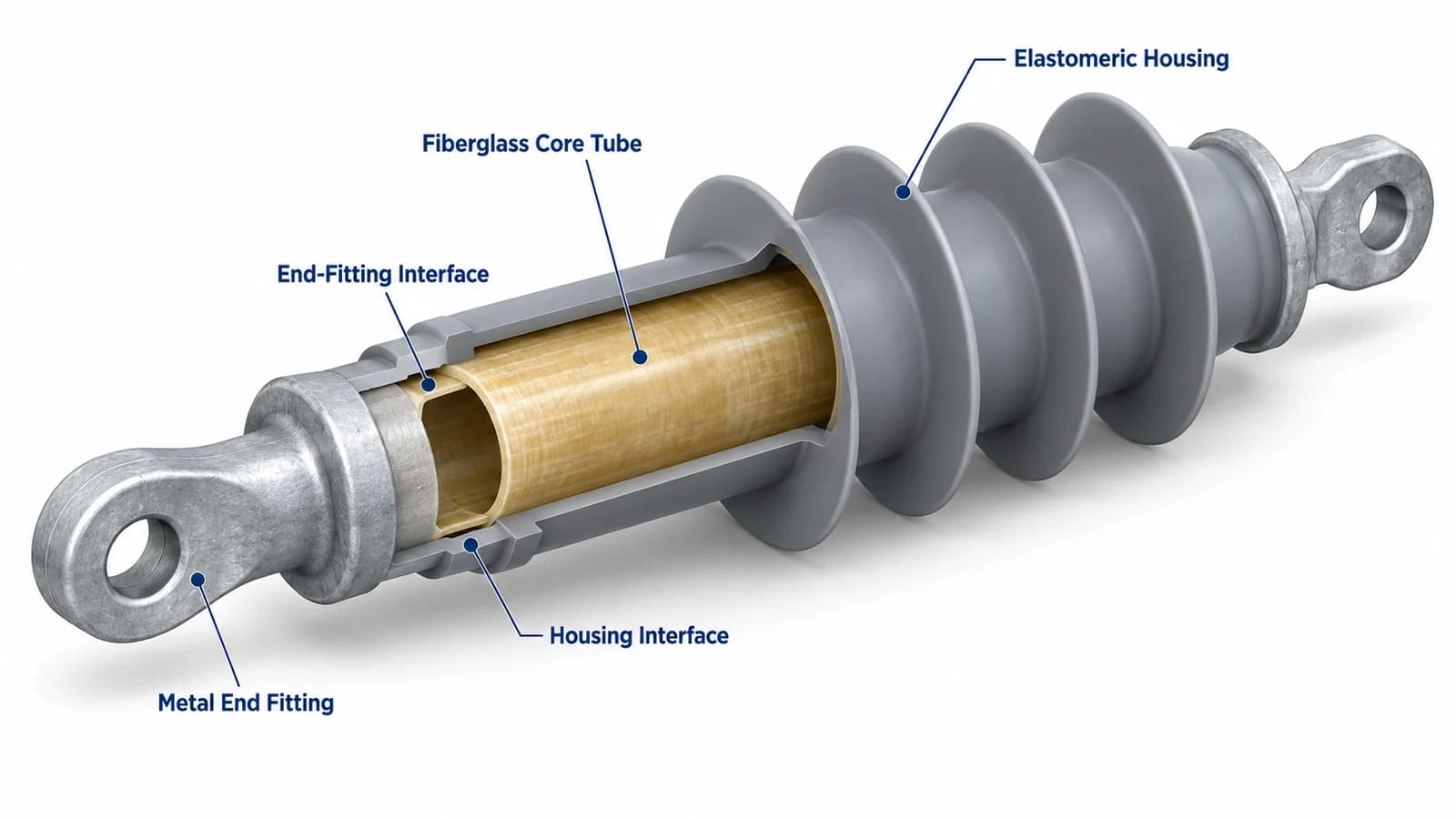
A composite hollow insulator is more than a fiberglass tube. In a typical design, a resin-impregnated fiber tube provides a structural core, an elastomeric outer housing provides environmental protection, and metal end fittings connect the assembly to electrical equipment. If you are sourcing only the epoxy fiberglass core tube, its interfaces and intended service conditions must be defined before price comparison.
For OEM engineers and purchasing teams, the most important early questions are: Is the assembly pressurized? How will the housing and end fittings attach? What finished geometry and validation requirements belong to the tube supplier rather than the complete-insulator manufacturer?
1. Confirm Exactly Which Component You Are Buying
Start by distinguishing the bare tube from a finished composite hollow insulator. These are different purchasing scopes.
A supplier may provide a cured tube blank or a finished machined tube. Another manufacturer may apply the housing and end fittings. Bonding, sealing, qualification, and approval responsibilities must be agreed.
Mark the core and supply boundaries on an assembly section. A complete-insulator drawing helps the bare-tube supplier understand downstream operations.
“FRP hollow insulator core” alone leaves the material, load path, interfaces, and inspection stage undefined.
2. Separate Pressurized and Unpressurized Designs
This distinction can change the technical review substantially.
A core used in an unpressurized insulator should not automatically be treated as suitable for an assembly containing gas pressure. Pressure-related stresses, end fitting connections, leakage paths, and acceptance testing require their own specification.
For pressurized designs, provide pressure conditions, relevant cycles, medium, temperature range, and validation plan. The tube supplier should not invent these inputs.
IEC 61462:2023 covers composite hollow insulators for pressurized and unpressurized applications, including resin-impregnated fiber tubes, elastomeric housings, and end fittings. The standard concerns the relevant insulator design and test requirements; mentioning it in an RFQ does not mean a bare tube or finished assembly is automatically certified or compliant.
For any gas-containment role, agree the material specification, joining method, tests, and approval responsibility with the OEM.
3. Define Housing and End-Fitting Interfaces
The tube's inner and outer diameters are useful starting dimensions, but the interfaces often decide whether it can be assembled correctly.
Outer housing interface. Identify whether silicone rubber or another elastomer will be bonded, molded, or otherwise applied to the tube. The assembler should specify any requirements for surface preparation, finish, cleanliness, and compatibility. A smooth-looking tube surface alone is not evidence of satisfactory bonding.
Metal end-fitting interface. Show the fitting geometry, overlap or engagement length, end-face condition, and dimensions that control location. If the assembly uses an adhesive, crimping process, or another joining method, the OEM should define the approved method and the resulting tube requirements.
Internal interface. Explain whether internal components, clearances, or gas passages affect the bore geometry and surface condition.
Identify wound features versus later machining without expecting the tube supplier to redesign the assembly.
Preparing a composite hollow insulator core-tube drawing?Send Your Drawing
Send WEENOOR the assembly section, tube drawing, interface notes, and intended operating conditions for preliminary review.
4. Specify Geometry Around the Assembly Process
Make the purchase drawing describe the tube at the stage it will actually be delivered.
| Area | Buyer should define |
|---|---|
| Base tube | ID, OD, wall thickness, length, material specification |
| End regions | Finished faces, steps, chamfers, fit diameters, engagement zones |
| Housing surface | Relevant surface condition and any approved pre-treatment requirements |
| Manufacturing state | Blank tube or fully machined part; allowance for downstream operations |
| Drawing control | Revision, critical datums, tolerances, inspection method |
For local machining, specify feature locations and inspection datums. Avoid copying tolerances from unrelated designs.
If the assembler machines the tube later, distinguish delivery dimensions from final dimensions.
For detailed dimensional conventions, refer to the existing tube tolerance guide rather than repeating a generic tolerance table here.
5. Agree on Inspection, Tests, and Responsibility
Dimensional acceptance of a supplied tube is not the same as qualification of a composite hollow insulator.
For the tube itself, the agreed scope may involve dimensional and visual inspection, finished-interface measurements, marking, packaging, and specified documentation. Additional material tests or process records should be named in the purchase specification if required.
Housing adhesion, end-fitting integrity, pressure, mechanical performance, and applicable electrical tests require agreed assembly-level validation. Do not assume the tube supplier performed them.
Identify whether samples are needed for assembly trials before volume orders. A first-article review can be particularly useful when the mating fittings or housing process are new, but the acceptance method should be agreed before samples are made.
Specify protection for machined ends and future bonding or sealing surfaces.
6. Send a Core-Tube RFQ That Can Be Evaluated
Keep the inquiry focused on the supplied component and its interfaces.
Include the assembly type and whether it is pressurized, a drawing or section view, tube material requirements, dimensions, planned outer housing, end-fitting method, loading and operating environment, machining, inspection and documentation needs, sample or production quantity, and required delivery stage.
Mark unresolved design items clearly. A preliminary drawing is useful for discussion, but final production should follow approved requirements.
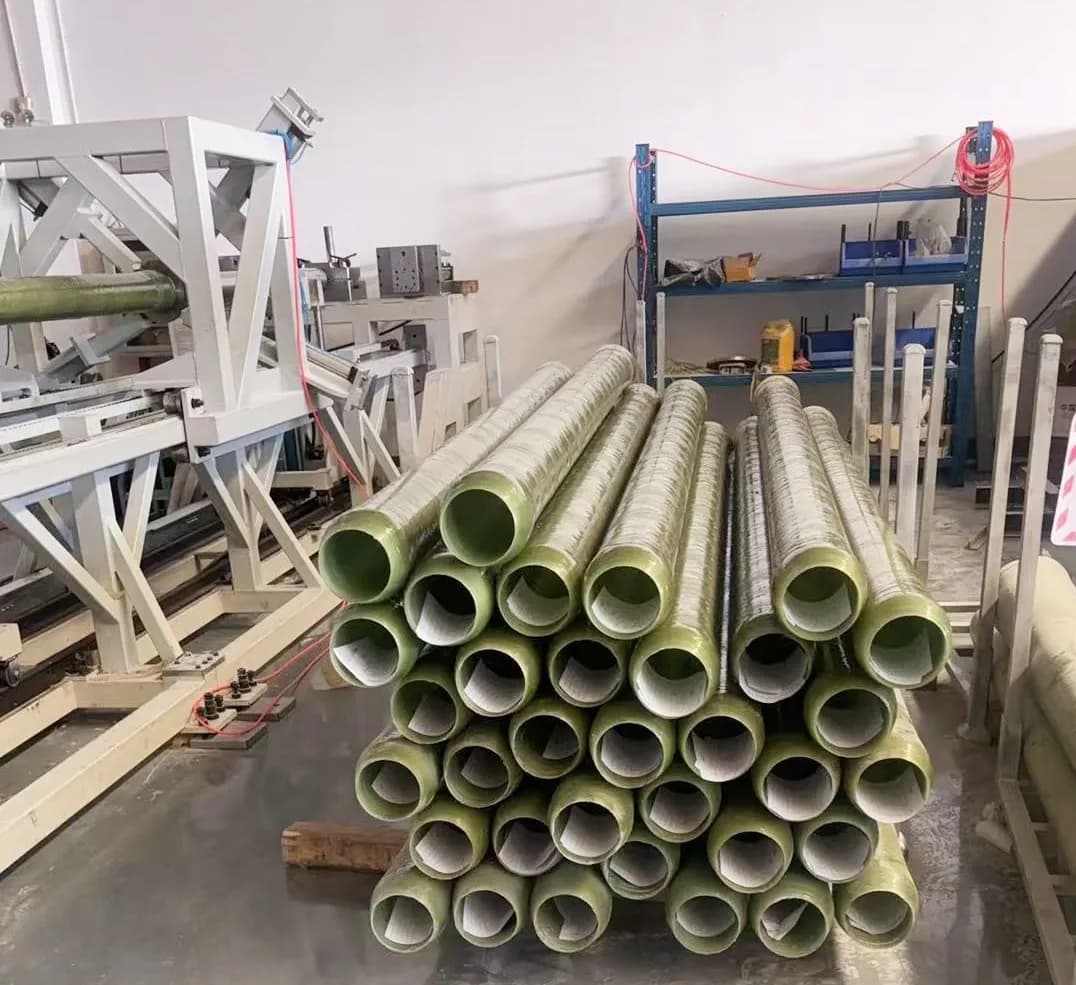
For manufacturing context, review WEENOOR's filament winding and machining capability. For details about machining features, use the existing machining guide.
FAQ
Is an epoxy fiberglass core tube the same as a complete composite hollow insulator?
No. The tube is one possible structural component. A complete assembly may also include an elastomeric housing, metal end fittings, and qualified connections.
Can a tube for an unpressurized design be used in a pressurized one?
Not by assumption. Pressure conditions, material requirements, interfaces, and testing need separate OEM review and approval.
Does mentioning IEC 61462 mean the tube is certified?
No. The applicable standard and required verification scope must be defined. A bare tube is not automatically a certified finished insulator.
Should the end fittings be finalized before requesting a price?
A preliminary budget discussion may be possible earlier. However, end-fitting dimensions and joining requirements are important for a reliable finished-tube quotation.
Conclusion
For a composite hollow insulator core tube, the buying decision should start with the complete assembly and then define the supplier's exact part. Pressure category, housing interface, end-fitting geometry, manufacturing state, and validation responsibilities all affect whether a proposed tube is a suitable starting point.
Need a made-to-drawing epoxy fiberglass core tube?Send Your Requirements
Send WEENOOR your tube drawing, assembly interfaces, application conditions, and expected quantity for technical review and quotation.