
Buyer Guides / Manufacturing Insights
Machining Epoxy Fiberglass Insulation Tubes: What to Specify for Holes, Slots, and End Interfaces
Learn what to specify when ordering machined epoxy fiberglass insulation tubes with holes, slots, stepped ends, bore features, and custom interfaces.
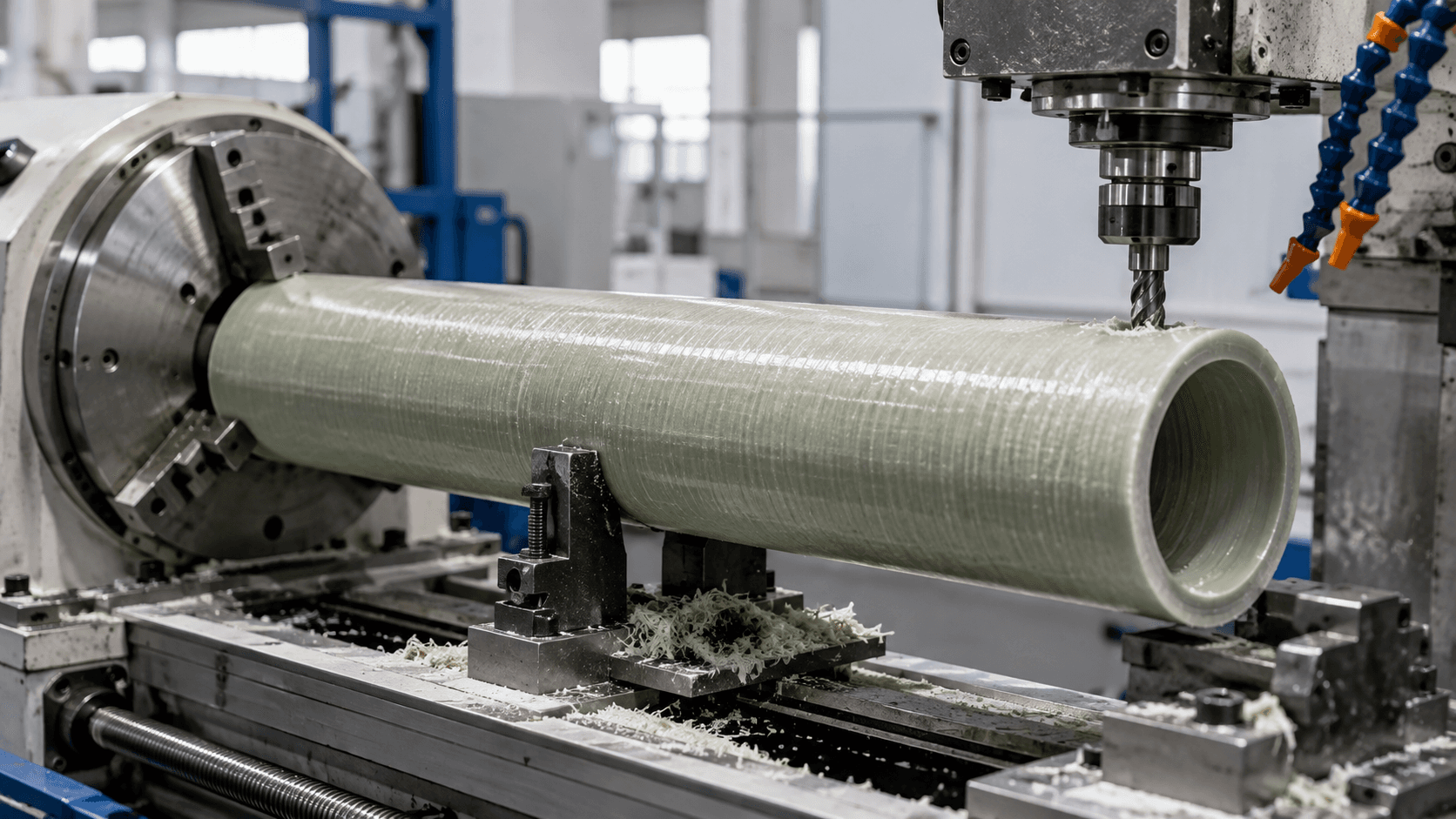
Machining requirements should be defined before quotation when purchasing a custom epoxy fiberglass insulation tube. A tube may meet the required ID, OD, wall thickness, and length but still create assembly problems if holes, slots, stepped ends, bore details, or mounting interfaces are unclear.
For buyers and engineers, the most useful starting point is a finished-part drawing. It should show the base tube dimensions, every machined feature, the dimensions that control assembly, and the inspection points that matter.
This allows the tube structure, machining scope, and application requirement to be reviewed together before production. If the inquiry is still at an early stage, review the WEENOOR product scope before preparing the drawing package.
1. Define Machining Before Quotation
An epoxy fiberglass filament wound tube is a composite insulation component, not simply a standard pipe cut to length. Secondary operations such as drilling, slotting, end machining, bore machining, or OD machining may affect local geometry and reinforcement around the feature.
That does not mean machined features should be avoided. It means feasibility should be reviewed from the finished-part drawing, including the feature location, surrounding wall, mating parts, and intended application.
For a new design, include the equipment type, electrical insulation role, mechanical function, mating parts, operating environment, and any dimensions critical to assembly. This keeps the machining discussion connected to the real use of the component.
2. What Your Drawing Should Show
A useful machining drawing should allow the supplier to understand both the base tube and the finished interface. Dimension the part as it should be supplied, not only as an unmachined tube blank.
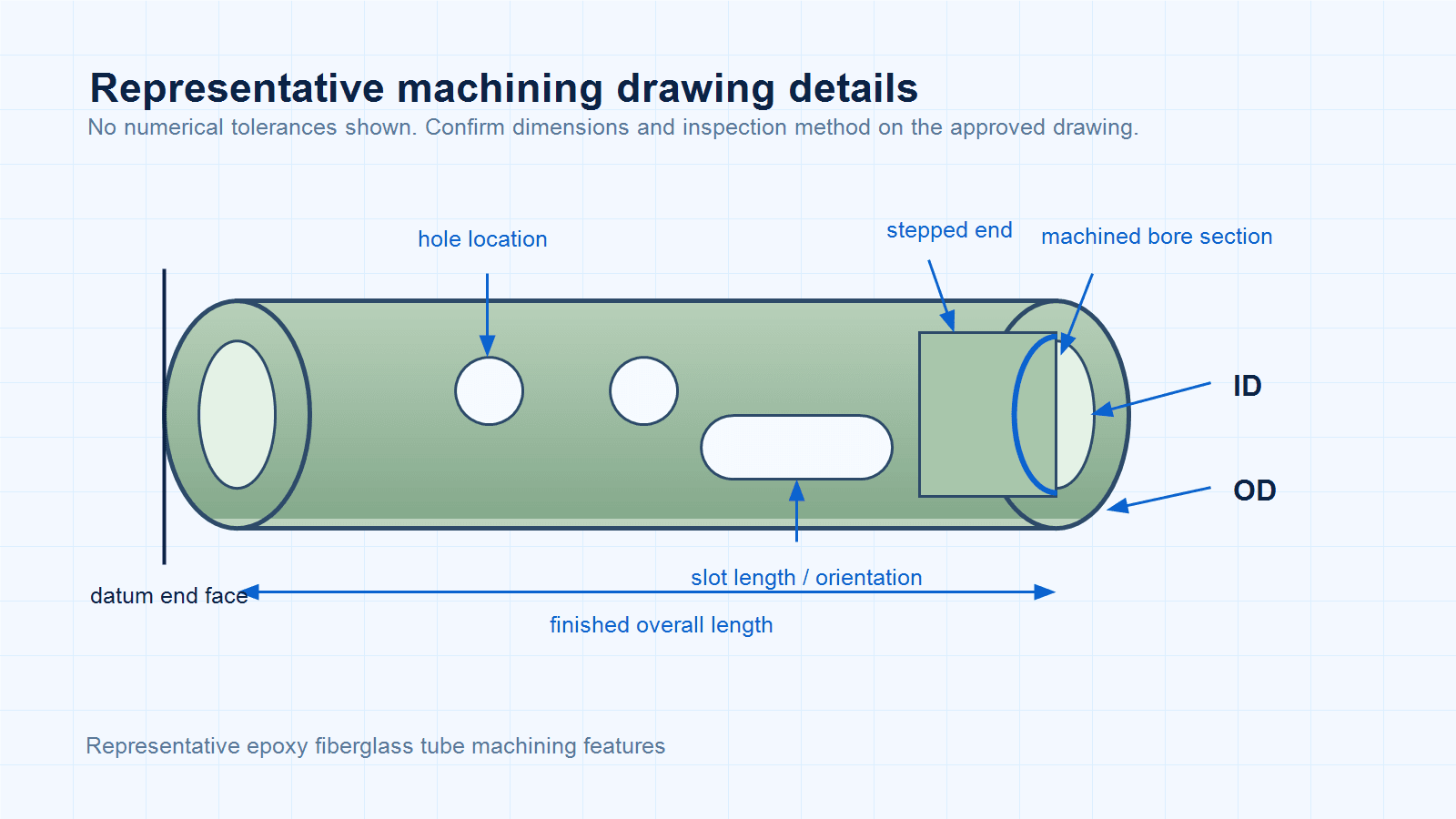
Show the base tube geometry first:
- Inner diameter
- Outer diameter
- Wall thickness where relevant
- Finished overall length
- End condition or end geometry
Then define each machining feature from a clear datum, end face, centerline, or other reference. Avoid describing a part only as "two holes" or "one slot." Show the feature diameter or size, quantity, axial position, circumferential position if relevant, spacing, and whether a hole passes through the complete wall.
For slots and openings, show length, width, position, orientation, and end geometry. For stepped ends, shoulders, bores, and OD-machined sections, show the finished diameter, machined length, and reference surface.
Identify critical interface dimensions separately from general reference dimensions. For a broader discussion of dimensional control, see epoxy fiberglass tube dimensional tolerances.
Planning a machined insulation tube? Send your drawing, dimensions, machining details, quantity, and inspection requirements for preliminary review.
3. Common Machining Features
Machined epoxy fiberglass tube requirements may involve one feature or a combination of holes, slots, end processing, bore work, and OD machining. Each feature should be reviewed as part of the finished component, not as an isolated operation. For process context, review Manufacturing.
| Feature | What the buyer should specify |
|---|---|
| Holes | Diameter, quantity, position, spacing, through-hole or not |
| Slots / Openings | Length, width, position, orientation |
| End Machining | Step, recess, shoulder dimensions, datum/reference face |
| Bore / OD Machining | Finished diameter, machined length, mating requirement |
Large openings, unusual feature combinations, or tight interface requirements should be reviewed before the buyer assumes they can be added to an already defined tube design.
4. Identify Critical Tolerances
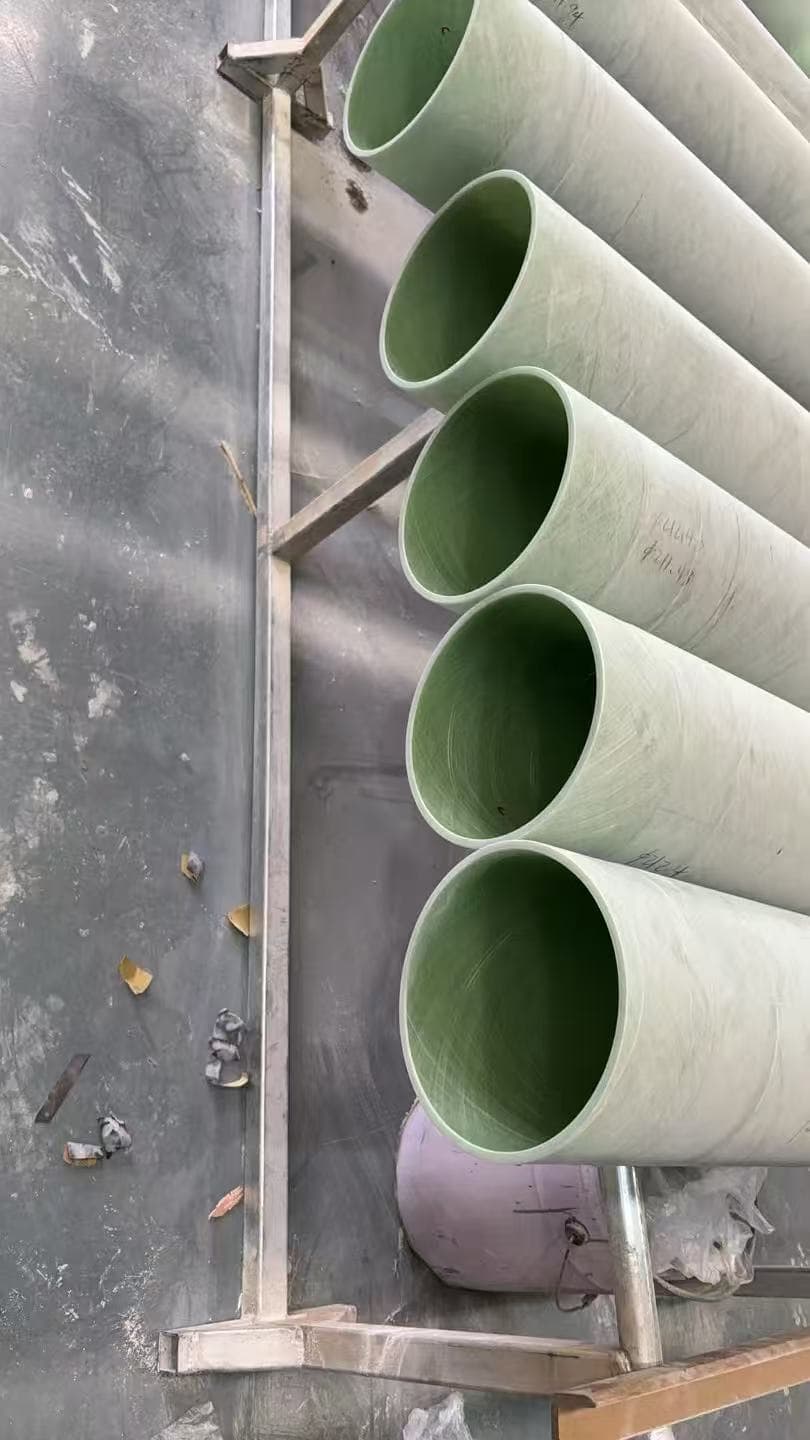
A common drawing problem is assigning the same tight tolerance to every dimension. This can make a custom part more difficult to evaluate without adding practical value.
A clearer approach is to separate dimensions into three groups:
- Critical interface dimensions directly affect assembly, alignment, or acceptance.
- Functional dimensions matter to product performance but may not require the same control as a mating feature.
- Reference dimensions provide information but are not normally used as the main acceptance criterion.
This distinction helps the supplier focus review and inspection on the dimensions that matter most. WEENOOR does not publish one universal tolerance table for every epoxy fiberglass tube because the appropriate requirement depends on the tube size, geometry, machining scope, drawing, and agreed inspection method.
5. Inspection Requirements
Machining and inspection should use the same approved drawing.
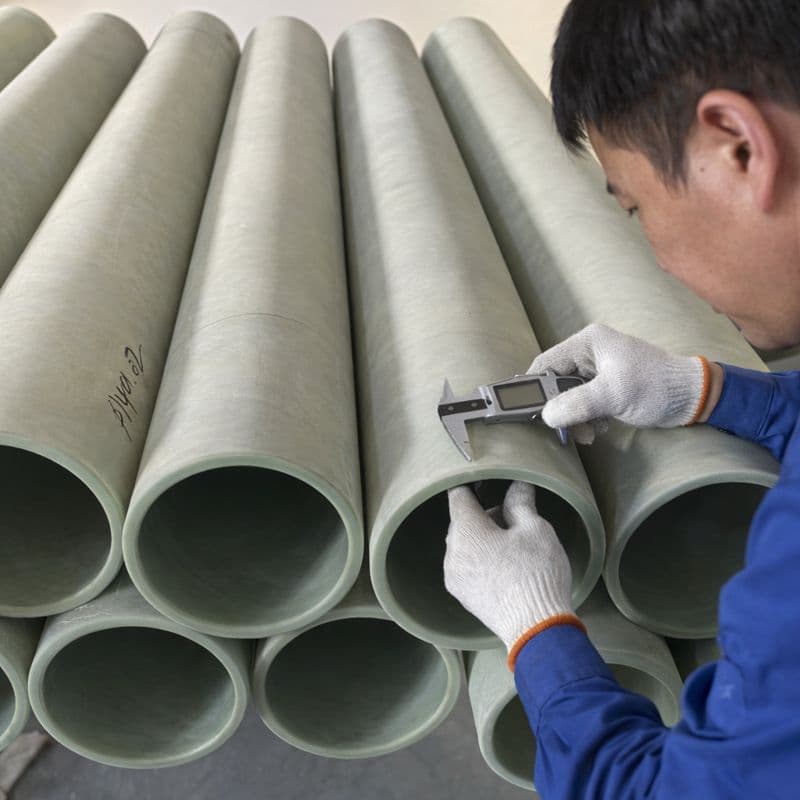
Before production, buyers should make clear which finished dimensions require verification and whether any specific documentation is required. Typical inspection discussion may include overall dimensions, ID and OD, finished length, hole size and position, slot geometry, end features, key interface dimensions, visual condition, and drawing conformity.
Additional testing or documentation should be agreed according to the application and order requirement rather than assumed automatically. For quality communication and inspection context, review Quality.
RFQ Checklist
The drawing should define the part geometry. The RFQ should add the commercial and application context needed for review.
Before requesting a quotation, prepare:
- Current drawing and drawing revision
- Application or equipment type
- Tube function in the assembly
- Critical tolerances or pending dimensions
- Inspection or documentation requirements
- Required quantity and order stage
- Target schedule if relevant
- Special packaging or identification requirements
Providing these details at the beginning can reduce repeated clarification and make feasibility and quotation review more efficient.
For a broader inquiry package, review what information is needed for a custom epoxy fiberglass tube quotation.
FAQ
Can epoxy fiberglass tubes be drilled, slotted, or machined?
Drilling, slotting, end machining, bore machining, and other interface processing can be reviewed for made-to-drawing products. Feasibility depends on the requested geometry, surrounding tube structure, application, and inspection requirement.
What machining details should be included in the drawing?
Include hole and slot dimensions, positions, spacing, end features, bore or OD-machined sections, critical tolerances, and datum or reference information used for machining and inspection.
When should machining requirements be confirmed?
Machining requirements should be included during RFQ and drawing review before the base tube and production route are finalized. Adding machining details later can change the technical review.
Conclusion
For customized epoxy fiberglass insulation tubes, the finished interface matters as much as the basic tube dimensions.
Clear information about holes, slots, stepped ends, machined bores, shoulders, and critical assembly dimensions helps the supplier evaluate the complete component rather than only the unmachined tube.
The most effective RFQ is based on the finished-part drawing together with application, quantity, and inspection requirements.
Need a custom machined epoxy fiberglass insulation tube?
Send WEENOOR your drawing and application requirements for review.
Send Your Drawing: Contact WEENOOR
Request a Quote: Contact WEENOOR