
Application Guides
SF6 Switchgear Insulation Tube Selection: What Buyers Should Define Before RFQ
A buyer-focused RFQ guide for SF6 switchgear and GIS epoxy fiberglass insulation tubes, covering interfaces, machining, drawings, inspection, and quotation inputs.
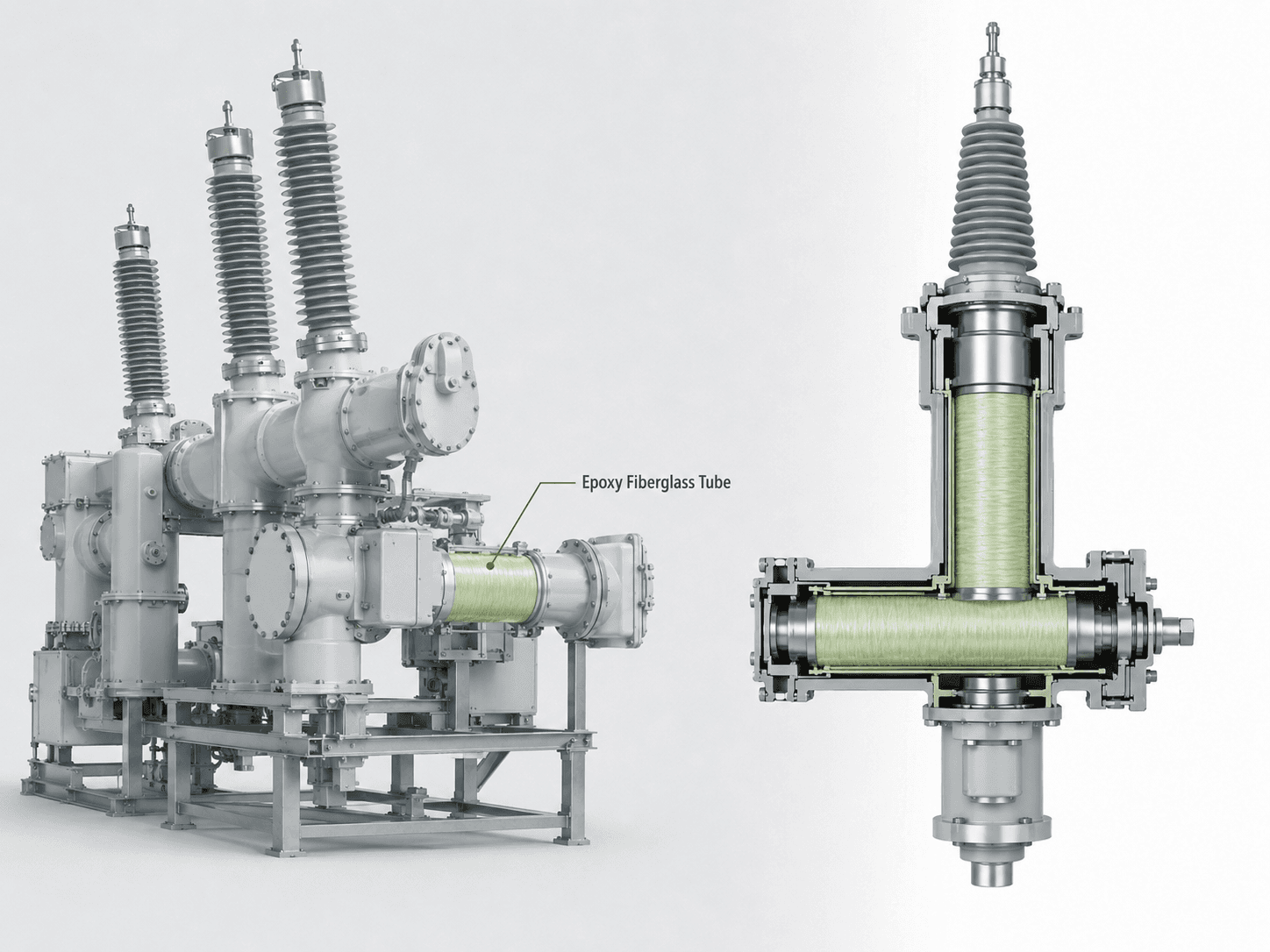
Sourcing an SF6 switchgear or GIS insulation tube should start with the equipment assembly, not only with a tube size. The buyer needs to define how the epoxy fiberglass insulation tube fits with internal components, outer interfaces, finished ends, machined features, and inspection expectations before requesting a quotation.
WEENOOR reviews customized epoxy fiberglass filament wound tubes for electrical insulation applications according to customer drawings, application context, machining scope, and agreed inspection requirements. This guide is written for switchgear manufacturers, GIS/HGIS equipment buyers, engineering teams, insulation material distributors, and procurement teams preparing an RFQ.
For product scope, review Products. For broader equipment contexts, review Applications.
Start with the SF6/GIS Assembly
An insulation tube used in SF6 switchgear or GIS-related equipment may have several responsibilities. It may help support insulation separation, maintain assembly spacing, position internal parts, protect a component, or provide a stable cylindrical interface for other parts. The exact role depends on the equipment design and approved drawing.
Before asking for price, explain where the tube sits in the assembly. Useful context includes whether the tube fits around an internal component, fits inside an outer structure, carries an end-interface requirement, or needs machining after the base tube is produced. If the request is for a replacement part, provide the original drawing or sample information if available. If it is a new design, separate confirmed values from items still under engineering review.
Avoid relying only on broad wording such as "SF6 insulation tube" or "GIS tube." That description does not define the interfaces, drawing status, machining scope, or inspection points needed for a useful quotation.
Define Interfaces Before Defining Price
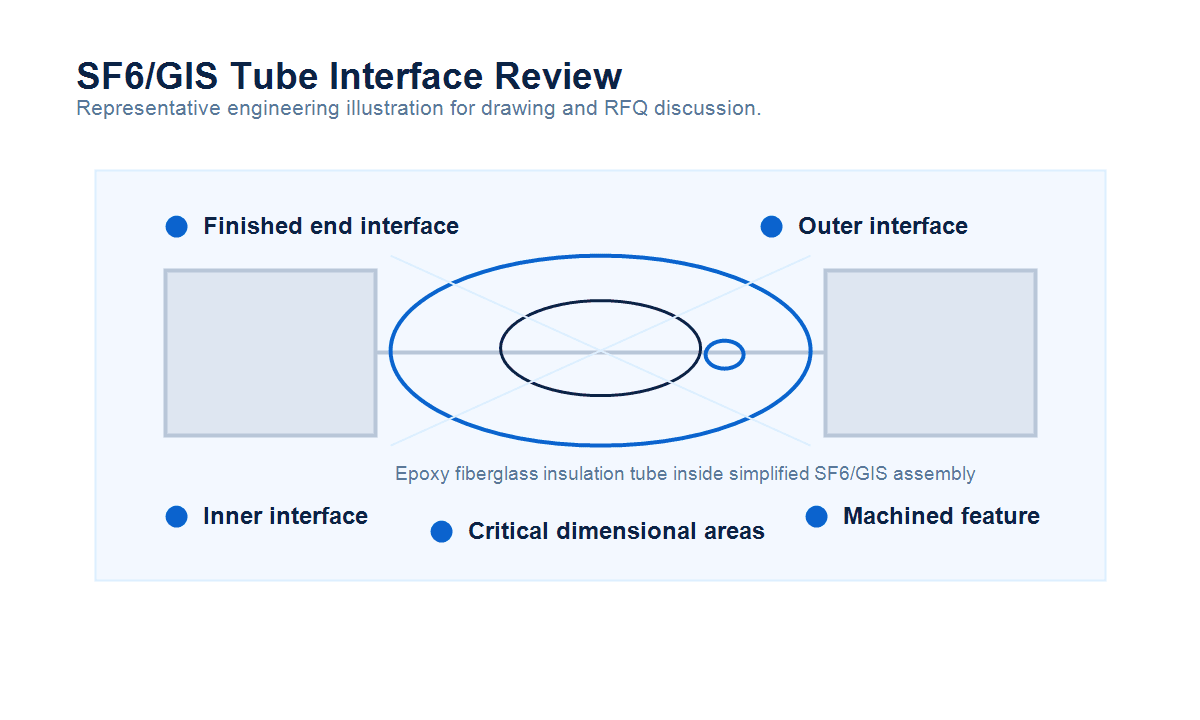
The most important RFQ information is often the relationship between the tube and the surrounding parts. ID, OD, wall thickness, length, end geometry, and any machined features should be connected to the assembly function.
| Review Area | Why It Matters | What to Provide |
|---|---|---|
| Inner interface | Fit, clearance, or support around internal parts | ID, bore note, mating component context |
| Outer interface | Relationship to the surrounding housing or assembly space | OD, surface expectation, outer mating context |
| Finished ends | Positioning, end contact, or clearance conditions | Finished length, chamfer, radius, shoulder, or step |
| Machined features | Holes, slots, grooves, or local interface details | Feature size, position, datum, and inspection points |
| Critical dimensions | Helps focus review on functional acceptance areas | Marked critical values and pending confirmation items |
If dimensional control is important, use the dedicated epoxy fiberglass tube tolerance guide rather than adding vague phrases such as "high precision" without an inspection method.
Machining and End-Feature Information
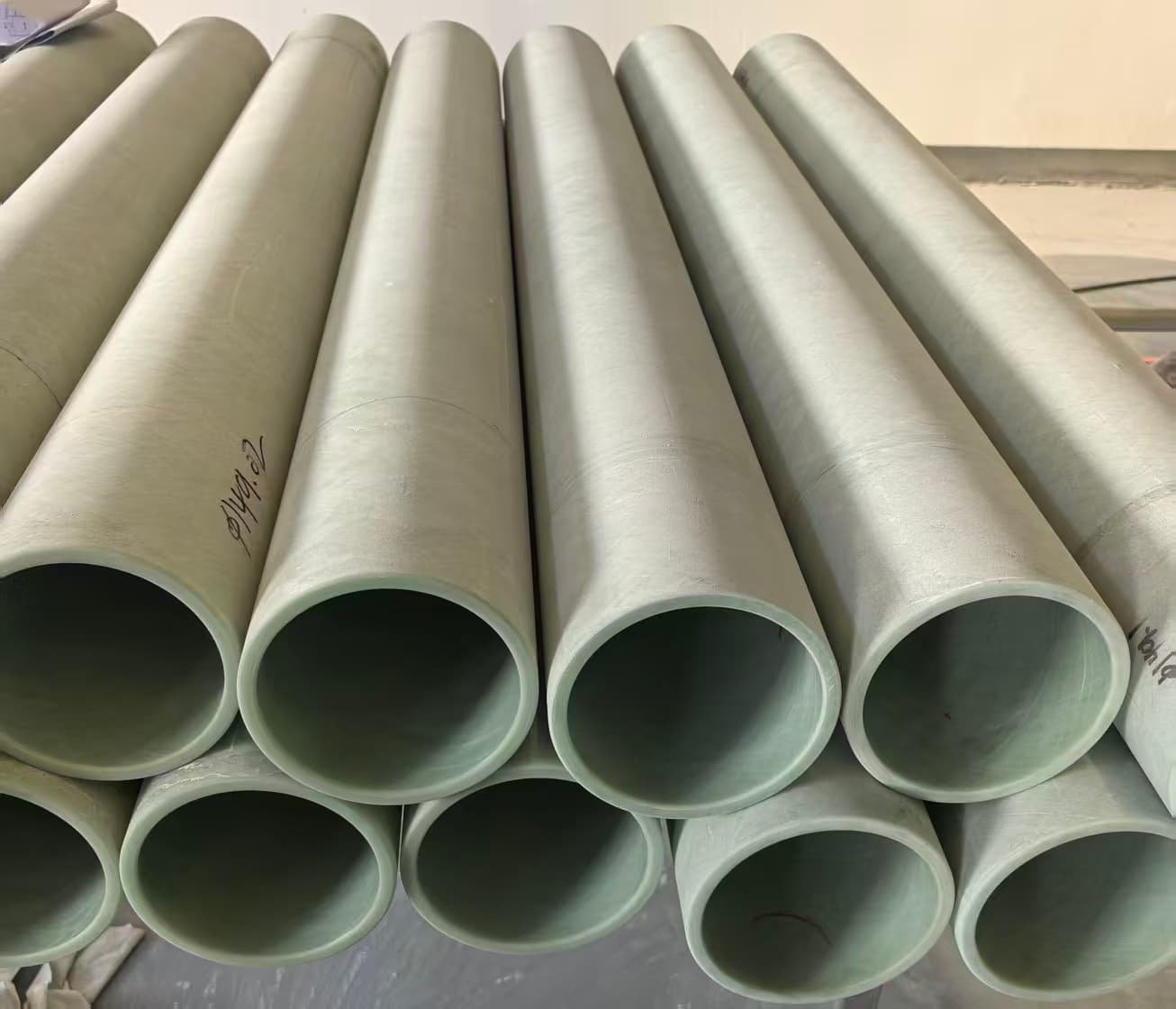
Some SF6 switchgear or GIS insulation tubes may be supplied as cut tube blanks. Others may require drilling, slotting, turning, bore review, chamfering, stepped ends, or other interface machining. These details should be included in the first RFQ because a finished machined component requires different review from a plain tube.
Useful machining information includes:
- Hole, slot, groove, or local feature dimensions
- Distance from machined features to tube ends
- Angular position or datum references when relevant
- End face, chamfer, radius, shoulder, or step requirements
- Edge condition and visual expectations
- Which dimensions require inspection records, if any
If machining is still being designed, mark the drawing as preliminary. This allows WEENOOR to review the possible quotation path without treating unfinished information as final production release data. For detailed feature planning, see the machining guide. For manufacturing context, review Manufacturing.
Application and Inspection Information to Share
Application information should be practical and limited to what helps technical review. Provide the equipment type, tube function, assembly position, interface notes, operating environment information that affects the drawing review, and any inspection or documentation requirement. If a customer specification, test method, or acceptance criterion is required, provide the exact reference for review. If it is not confirmed, mark it as pending confirmation.
Inspection expectations should follow the agreed drawing. Common review points may include ID, OD, wall thickness, finished length, end condition, machined features, visible surface condition, and packing protection. Do not assume certificates, special tests, or additional documentation are included unless they are requested and confirmed. For the current public quality approach, review Quality.
Need an SF6/GIS tube requirement reviewed? Send your drawing, assembly context, dimensions, machining scope, quantity, and inspection expectations through Contact WEENOOR.
RFQ Checklist for SF6 Switchgear and GIS Tubes
A useful RFQ does not need to be long, but it should be structured. Prepare one package that separates confirmed information from open engineering items.
- Equipment context: SF6 switchgear, GIS, HGIS, or related gas-insulated equipment.
- Tube role: insulation support, spacing, positioning, protection, housing-related part, or machined interface.
- Core dimensions: ID, OD, wall thickness, finished length, and end condition.
- Interface information: inner component, outer assembly zone, end-contact area, or clearance requirement.
- Machining scope: holes, slots, grooves, bore work, turning, chamfers, shoulders, or other features.
- Drawing status: approved, preliminary, replacement sample, or pending engineering confirmation.
- Inspection needs: critical dimensions, visual expectations, records, photos, packing, or documentation if required.
- Commercial context: quantity, prototype or production stage, target timing, and destination if relevant.
For a broader quotation package, use the custom epoxy fiberglass tube RFQ checklist.
FAQ
What should I define first for an SF6 switchgear insulation tube?
Start with the tube role and position in the assembly. Then define ID, OD, wall thickness, length, end geometry, interfaces, machining, and inspection expectations.
Can WEENOOR review a preliminary SF6/GIS tube drawing?
Yes. Preliminary drawings can support early technical review, but final quotation and production discussion should follow confirmed drawings and agreed requirements.
Should gas-tightness or pressure requirements be included?
Only include them if they are part of the customer's confirmed specification and can be reviewed against the exact drawing and requirement. Do not assume such requirements from the application name alone.
What information helps quotation move faster?
A clear drawing, application context, key dimensions, machining notes, quantity, and inspection expectations help reduce clarification emails and support a more practical quotation discussion.
Conclusion
An SF6 switchgear or GIS insulation tube RFQ should define the assembly role, interfaces, dimensions, machining scope, drawing status, and inspection needs before price discussion. This keeps the inquiry focused on the finished component rather than a generic tube description.
To move the review forward, send your drawing and SF6/GIS insulation tube requirements through Contact WEENOOR.