
Buyer Guides
How to Specify Dimensional Tolerances for Custom Epoxy Fiberglass Insulation Tubes
Learn how to specify ID, OD, wall thickness, length, straightness and machining tolerances when requesting custom epoxy fiberglass insulation tubes.
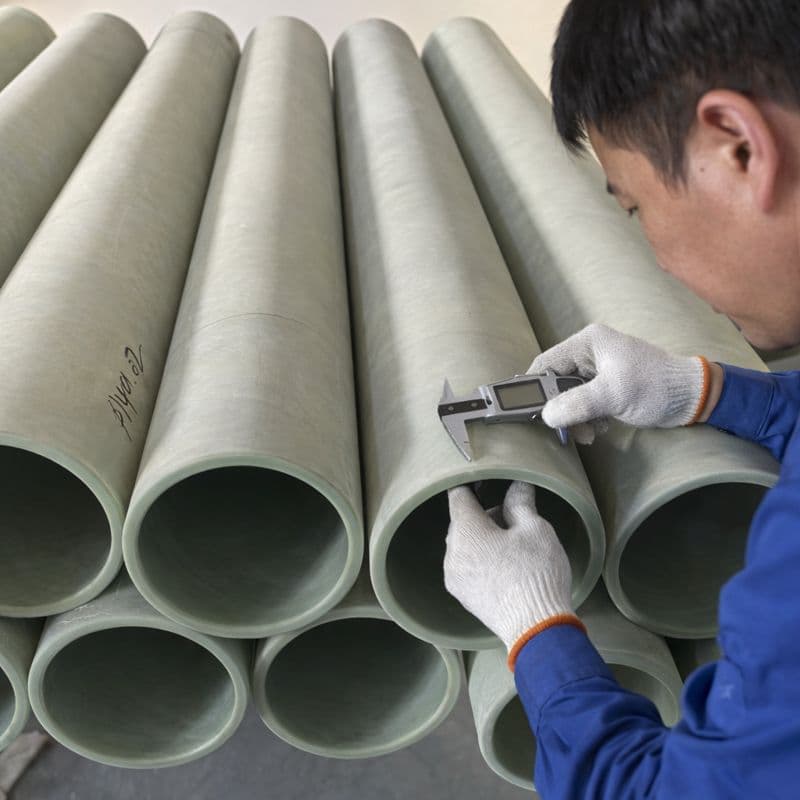
Dimensional tolerances are one of the most important parts of a custom epoxy fiberglass insulation tube inquiry. A tube may look simple in a drawing, but the way ID, OD, wall thickness, length, straightness, end condition, and machined features are specified can affect quotation review, manufacturing discussion, inspection scope, and final assembly fit.
For epoxy fiberglass filament wound tubes, tolerances should be connected to the real function of the part. A tube used as a structural insulation sleeve, spacing component, housing element, or machined interface may need different dimensional control than a plain tube blank. The best RFQ does not simply ask for the tightest possible tolerance. It explains which dimensions are critical, which dimensions are general, and which details are still pending confirmation.
WEENOOR reviews customized epoxy fiberglass filament wound tubes for electrical insulation applications according to the customer's drawing, application context, machining scope, and inspection expectations. This guide explains how engineers, OEM buyers, distributors, and procurement teams can specify dimensional tolerances clearly before requesting a quotation.
For the product scope, review Products. For process context, review Manufacturing.
Start with the Tube Function
Tolerance discussion should begin with the tube's function in the equipment. The same epoxy fiberglass insulation tube can have different priorities depending on whether it is used for insulation support, mechanical support, spacing, positioning, housing, or as a machined part in a larger assembly.
Before defining tolerances, explain:
- Equipment type or application area
- Function of the tube in the assembly
- Whether the tube fits inside another part
- Whether another part fits inside the tube
- Whether the tube is clamped, bonded, inserted, or fastened
- Whether machining features are required
- Which dimensions affect installation or inspection acceptance
This context helps the supplier understand why a tolerance matters. It also helps avoid over-specifying dimensions that do not affect assembly performance.
If the inquiry is still early, separate confirmed tolerances from pending values. A simple note such as "critical dimension pending confirmation" is better than presenting a guess as a final requirement.
Specify ID, OD, and Wall Thickness Separately
ID, OD, and wall thickness are related, but they should not be treated as one interchangeable requirement. Each dimension can affect a different part of the assembly.
The inner diameter may control fit with a conductor, rod, core, sleeve, mandrel, or another internal component. If the bore fit is critical, identify whether the required control is on nominal ID, minimum ID, maximum ID, roundness, bore surface condition, or another drawing requirement.
The outer diameter may control fit with a housing, insulation gap, fixture, clamp, support part, or installation space. If OD is the critical interface, show the related assembly part on the drawing when possible.
Wall thickness can affect the tube structure, machining review, and relationship between ID and OD. If wall thickness is important for the design, define it clearly instead of expecting the supplier to infer it from ID and OD alone.
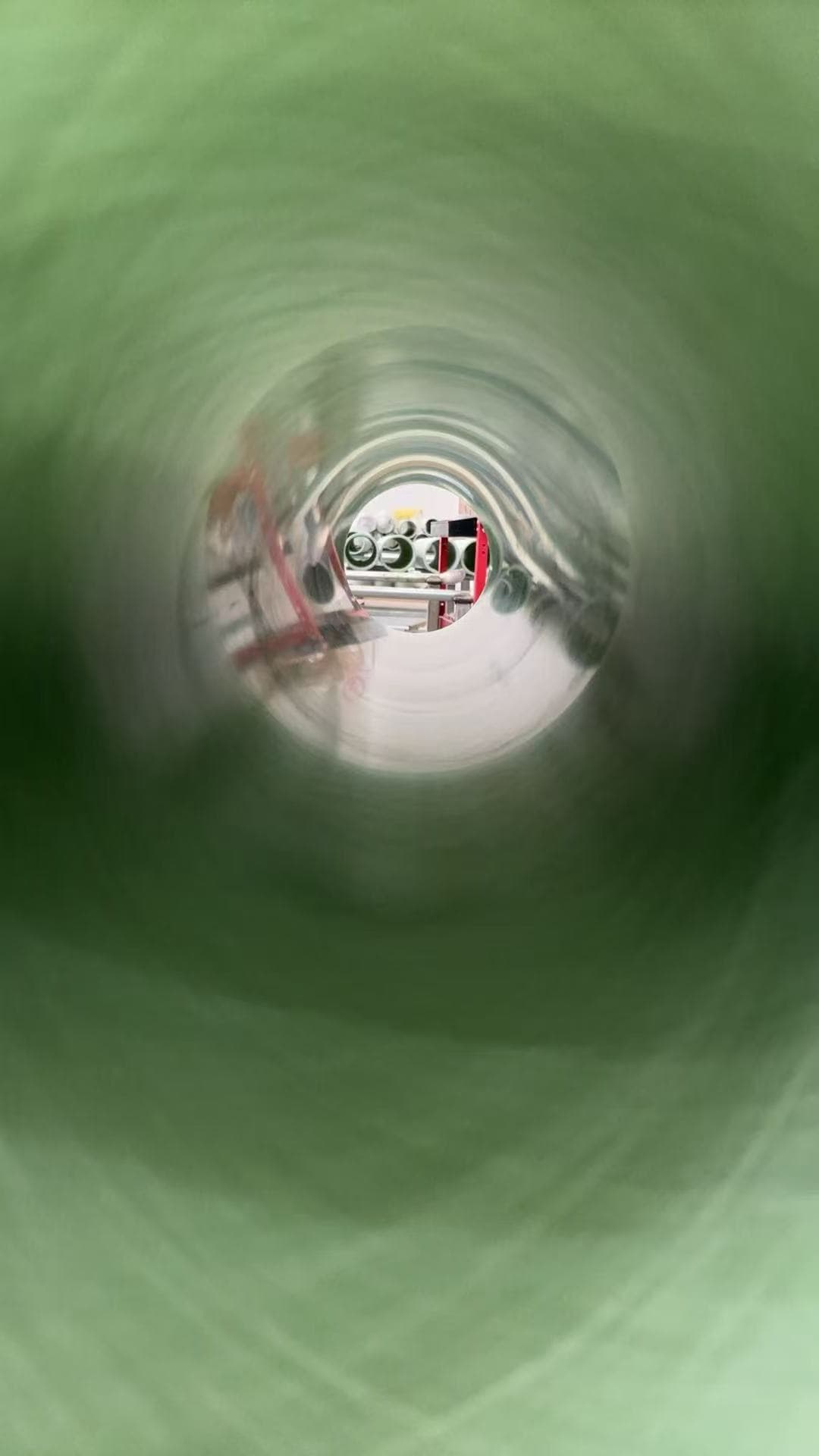
When preparing an RFQ, provide ID, OD, wall thickness, and length together. If only two of the three diameter-related values are available, mark the missing value as pending confirmation. For a broader RFQ checklist, see What Information Is Needed for a Custom Epoxy Fiberglass Tube Quotation?.
Define Length and End Condition
Tube length seems straightforward, but it can create problems if the end condition is not described. Buyers should clarify whether the length is measured before machining, after cutting, after end processing, or after all features are complete.
Important length-related details include:
- Overall finished length
- Cut end condition
- End face squareness if required
- Chamfer or radius requirements
- Any end machining or step features
- Whether both ends have the same requirements
If the tube will be installed between two fixed parts, length may be a critical assembly dimension. If the tube will be adjusted or further processed by the customer, length control may have a different priority. State the intended condition clearly so quotation and inspection discussion can follow the correct scope.
Address Straightness and Roundness Carefully
Straightness and roundness can matter in custom epoxy fiberglass tube applications, especially when the tube is long, must slide into another part, supports alignment, or has machining features along its length. These requirements should be specified carefully because they depend on the tube geometry, manufacturing process, handling, and inspection method.
If straightness is important, explain how it affects assembly. For example, does the tube need to pass through a housing, align with a core, or support another component? If roundness is important, explain whether the concern is bore fit, outside fit, machining setup, or inspection acceptance.
Avoid vague wording such as "must be very straight" or "roundness should be good." Instead, define the inspection method or mark the requirement for supplier review. If an exact inspection method is not confirmed, write it as pending confirmation rather than turning a general expectation into a final acceptance rule.
For quality communication and inspection context, review Quality.
Show Machining Tolerances on the Drawing
Many custom epoxy fiberglass insulation tubes require machining after winding and curing. Machining may include cutting, drilling, slotting, turning, end processing, chamfering, or other interface features. These features should be dimensioned directly on the drawing.
Useful machining information includes:
- Hole diameter and position
- Slot length, width, and depth
- Distance from holes or slots to tube ends
- Angular position around the tube if relevant
- End machining shape
- Edge condition or burr expectations
- Critical inspection dimensions
Machining tolerances should be connected to function. A hole used for fastening may need different review from a clearance hole or a non-critical positioning feature. A slot that interacts with another part may need more detail than a simple relief feature.
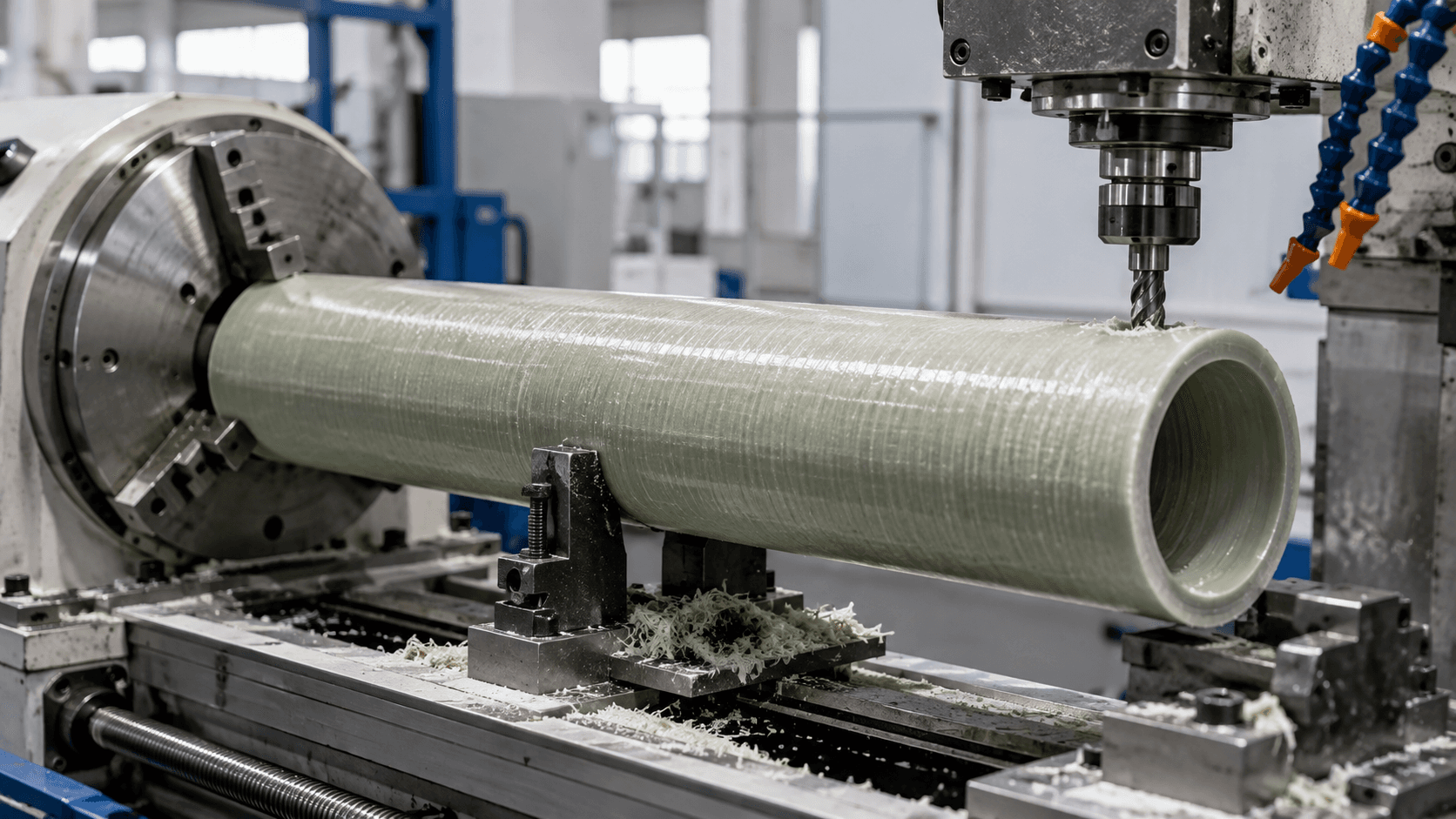
When the machining scope is not final, label the drawing as preliminary. This helps WEENOOR review feasibility and quotation direction without treating unfinished information as production release data.
Avoid Over-Tightening Every Dimension
A common RFQ problem is applying tight tolerances to every dimension without explaining which dimensions are truly critical. This can slow review and create unnecessary quotation complexity. For custom epoxy fiberglass filament wound tubes, tolerance expectations should be practical and linked to assembly function.
A better drawing separates:
- Critical dimensions that affect assembly or equipment fit
- Functional dimensions that need normal control
- Reference dimensions for understanding geometry
- Pending dimensions still under engineering review
This structure helps engineering and procurement communicate clearly. It also helps the supplier focus inspection discussion on the dimensions that matter most.
If a tolerance comes from the customer's internal design standard, include the relevant note in the drawing package. If the requirement comes from application experience rather than a formal standard, explain the reason in the RFQ message.
Mid-Article CTA
Need help reviewing tolerance requirements for a custom insulation tube?
Send Your Drawing with ID, OD, wall thickness, length, machining details, critical dimensions, and application context for technical review. WEENOOR can review the requirement and discuss the quotation path before production confirmation.
Include Inspection Expectations
Tolerance requirements should be matched with inspection expectations. If a dimension is important enough to control tightly, it should also be clear how it will be checked and what documentation is expected.
Useful inspection information includes:
- Critical dimensions to check
- Visual or surface expectations
- Bore condition requirements
- Machined feature inspection points
- Packing protection for finished edges
- Whether inspection records or photos are requested
Do not assume special documentation or certificates are included unless they are requested and confirmed. If a project requires a specific inspection record, state that requirement in the inquiry. If the requirement is not ready, mark it as pending confirmation.
Prepare a Tolerance-Focused RFQ Package
A strong tolerance-focused RFQ should make the technical review easy. It does not need to be complicated, but it should separate drawing information, application information, and commercial information.
Before contacting WEENOOR, prepare:
- Drawing or dimensioned sketch
- ID, OD, wall thickness, and length
- Tolerances for critical dimensions
- Application equipment and tube function
- Machining scope and feature positions
- Quantity and order stage
- Inspection expectations
- Any pending dimensions or open engineering questions
If the request is for a replacement tube, include the existing drawing or sample information if available. If the request is for a new design, explain which dimensions are fixed and which dimensions can still be reviewed.
For manufacturing review, see Manufacturing. For quotation submission, use Contact WEENOOR.
FAQ
What tolerances should I provide for a custom epoxy fiberglass insulation tube?
Provide tolerances for the dimensions that affect assembly and inspection acceptance, such as ID, OD, wall thickness, length, end condition, straightness, or machined features. If a dimension is not confirmed, mark it as pending confirmation.
Should every dimension have the tightest possible tolerance?
No. Tolerances should be connected to function. Over-tightening every dimension can slow review and create unnecessary production or inspection complexity.
Can WEENOOR review a preliminary tolerance drawing?
Yes. WEENOOR can review preliminary drawings for custom epoxy fiberglass filament wound tubes, but final quotation and production discussion should be based on confirmed drawings and agreed requirements.
What should be included for machined tube tolerances?
Include hole size and position, slot dimensions, end processing, distances from reference edges, feature relationships, and any critical inspection points.
Conclusion
Specifying dimensional tolerances for custom epoxy fiberglass insulation tubes is not only a drawing exercise. It is a practical communication task between engineering, purchasing, and the supplier. The best RFQ explains the tube function, defines ID, OD, wall thickness, length, straightness, and machining requirements, and separates critical dimensions from general or pending information.
Clear tolerance information helps WEENOOR review made-to-drawing epoxy fiberglass filament wound tubes more efficiently and prepare a more useful quotation discussion.
CTA
Request a Quote: Contact WEENOOR
Send Your Drawing: Upload through the inquiry form