Application Guides
CT/PT Insulation Tube Selection: What Buyers Should Review Before RFQ
A practical buyer guide for CT/PT insulation tube selection, covering application fit, dimensions, machining, inspection, and RFQ preparation for epoxy fiberglass tubes.
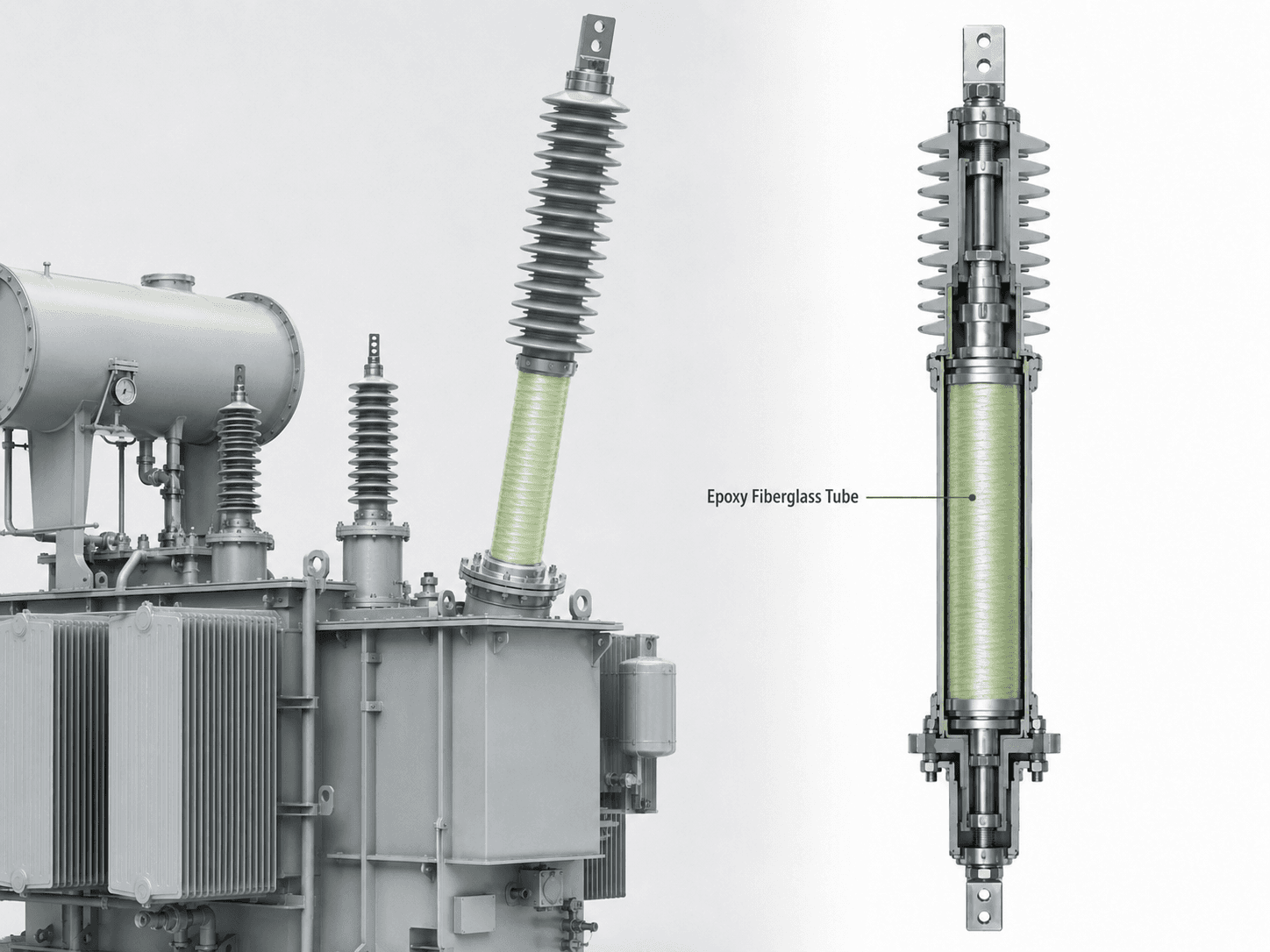
For CT/PT and instrument transformer applications, an insulation tube should be reviewed as part of the equipment design, not as a generic composite pipe. Buyers should confirm the tube's insulation role, mechanical support function, dimensions, machining scope, inspection expectations, and drawing status before asking for quotation. A clear RFQ helps the supplier understand whether the epoxy fiberglass filament wound tube fits the assembly and what information still needs confirmation.
WEENOOR supplies customized epoxy fiberglass filament wound tubes for electrical insulation applications. This guide is written for instrument transformer manufacturers, OEM engineering teams, insulation material distributors, and procurement buyers preparing a CT/PT insulation tube inquiry. It focuses on practical review points that can be discussed from drawings, dimensions, application conditions, and inspection requirements.
Why CT/PT Insulation Tube Selection Needs Application Review
CT and PT equipment can place several requirements on an insulation component at the same time. The tube may support insulation separation, protect an internal component, help maintain assembly geometry, or provide a stable interface for nearby parts. The correct review starts with the role of the tube inside the equipment, because the same tube name may describe different functions in different assemblies.
When a buyer only requests an "insulation tube" or "FRP tube," the supplier may not know whether the part is a finished component, a machined sleeve, a support cylinder, or a semi-finished tube blank. For a better first response, explain whether the tube is related to current transformer, potential transformer, combined instrument transformer, or another transformer-related assembly. Then connect the request to the drawing and acceptance requirements.
For broader product context, review the WEENOOR epoxy fiberglass tube product page before preparing a detailed RFQ.
Key Selection Factors for CT/PT Buyers
Application Function
Start by describing what the tube does in the equipment. Is it mainly used for electrical insulation support, mechanical positioning, spacing, housing, or protection? If it has more than one function, list them clearly. This helps the supplier understand whether dimensional control, machining detail, surface condition, or inspection scope should receive more attention during review.
Product Construction
WEENOOR's public product scope is epoxy fiberglass filament wound tube. The material description should stay tied to glass fiber reinforcement, epoxy resin, filament winding, curing, machining when required, and inspection according to the agreed drawing. Avoid relying on broad FRP wording when the buying requirement is specifically for an epoxy fiberglass insulation component.
Drawing Status
The drawing is usually the most useful file for CT/PT tube discussion. A mature drawing can define ID, OD, wall thickness, length, tolerance, holes, slots, end processing, and critical interfaces. If the drawing is preliminary, mark it as preliminary so the quotation conversation can separate confirmed information from pending details.
| Review Point | Why It Matters for CT/PT Applications | What to Provide |
|---|---|---|
| Equipment context | Connects the tube to the insulation and assembly role | CT/PT type, assembly position, function description |
| Main dimensions | Defines whether the tube can be reviewed for fit | ID, OD, wall thickness, length |
| Machining features | Affects processing, inspection, and quotation scope | Holes, slots, end machining, bore or outer surface needs |
| Inspection expectations | Helps align acceptance before production | Critical dimensions, appearance checks, documentation needs |
Dimension and Interface Review
Dimensional review should be more than a list of sizes. For CT/PT applications, the relationship between the tube and surrounding parts often matters. The inner diameter may need to match a core, conductor, sleeve, or support element. The outer diameter may need to fit a housing, insulation gap, or assembly space. Wall thickness and length can affect handling, machining feasibility, and final inspection focus.
Buyers should identify which dimensions are critical for assembly. If every dimension is marked with a tight tolerance but the real critical areas are not explained, review can become slower. If no tolerance is provided, the supplier may need to ask for confirmation before quotation or production discussion.
Machining Scope and Custom Features
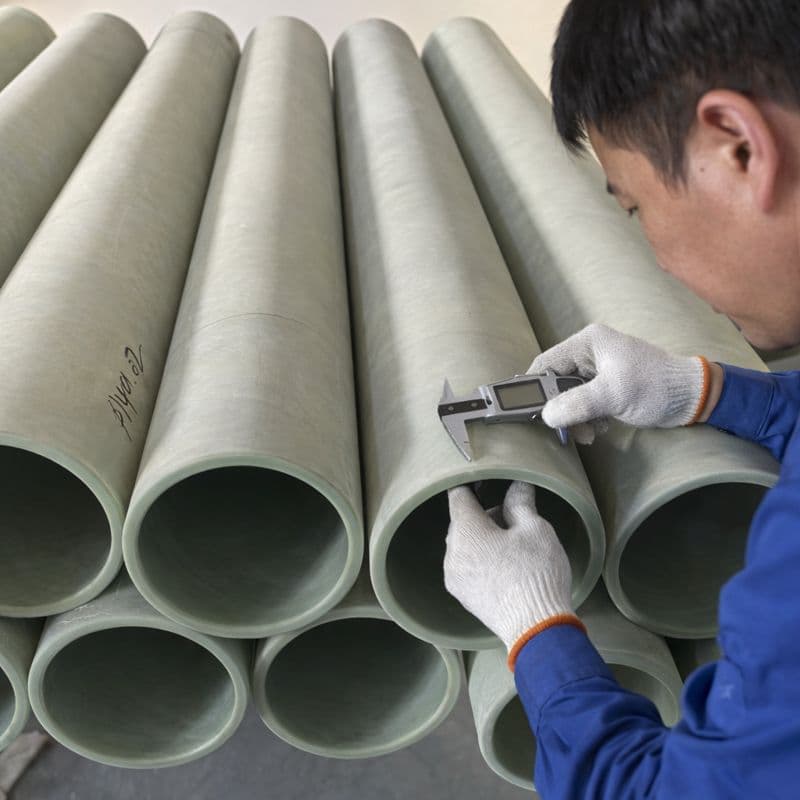
Many CT/PT insulation tubes are not simple straight tube blanks. They may require cutting, drilling, slotting, turning, end processing, or interface features according to the customer drawing. Machining should be reviewed before quotation because it affects the production route, inspection work, and packaging preparation.
When machining is required, include feature locations and relationships to the tube ends, bore, and outer diameter. If a hole or slot position is critical to assembly, mark it clearly. If the feature is only for secondary installation or field adjustment, explain that too. The supplier should not need to guess which features carry functional importance.
For process context, buyers can also review WEENOOR's manufacturing capability page.
Inspection and Quality Expectations
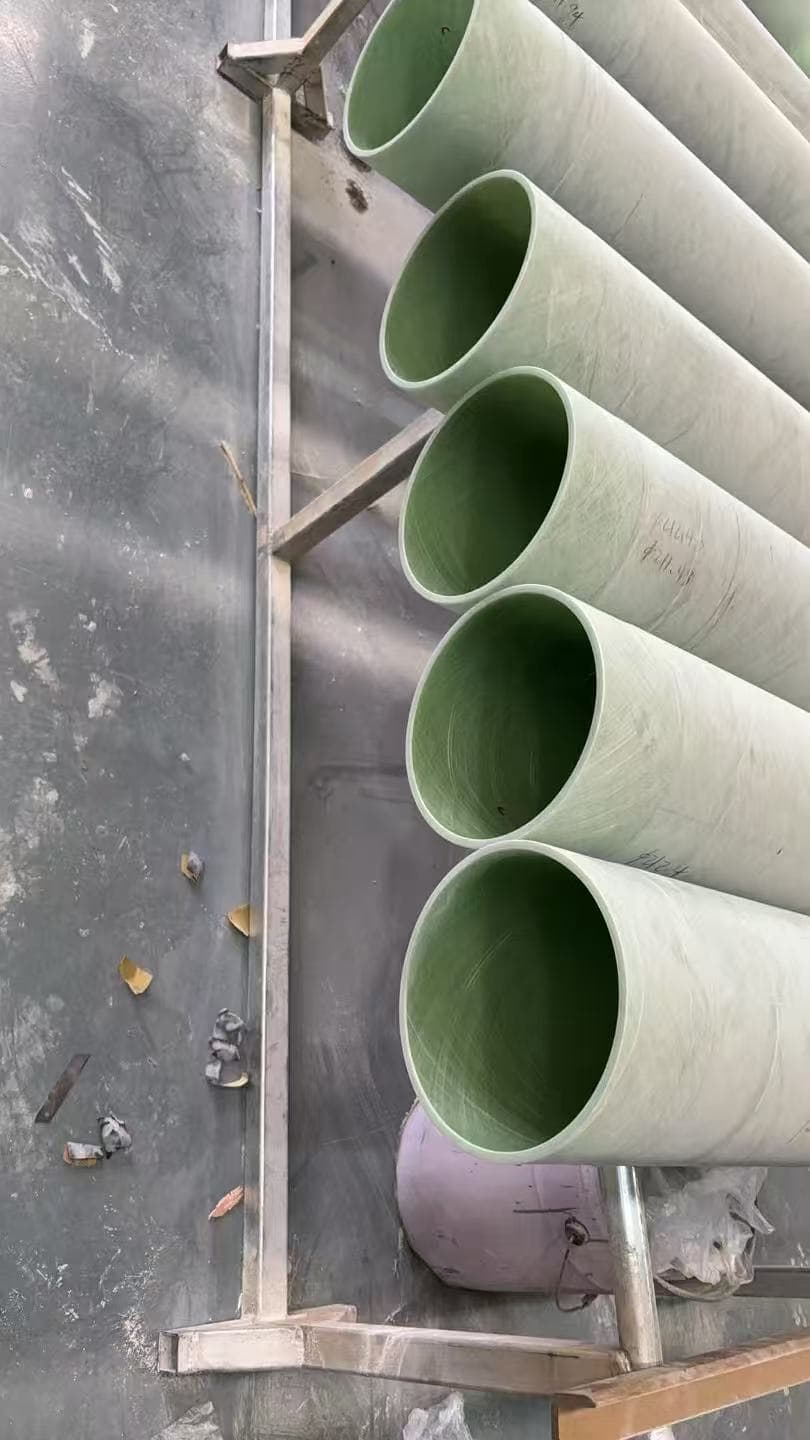
Inspection requirements should follow the approved drawing and order-specific agreement. For CT/PT tube inquiries, common review areas can include dimensional checking, visual condition, machined feature confirmation, drawing conformity, and packaging condition before shipment. If special testing or documentation is needed, state the requirement early and mark any unconfirmed item as pending.
It is better to describe the acceptance focus than to ask for broad quality claims. For example, tell the supplier which dimensions affect assembly, whether visible surface condition matters, and whether inspection information is needed before shipment. This keeps the discussion practical and avoids unsupported assumptions about universal performance values.
Review WEENOOR's quality control page for the current public quality-control approach.
Mid-Article CTA
Need a customized CT/PT insulation tube review? Send your drawing, dimensions, application equipment, machining requirements, inspection expectations, and expected quantity through the contact form. WEENOOR can review the information and respond based on the confirmed requirement scope.
RFQ Preparation Checklist
- Identify the equipment type: CT, PT, combined instrument transformer, or related transformer assembly.
- Explain the tube function: insulation support, mechanical support, spacing, housing, protection, or interface positioning.
- Provide the main dimensions: ID, OD, wall thickness, length, and any critical tolerance.
- Attach the drawing or specification, and mark whether it is approved or preliminary.
- List machining requirements such as cutting, holes, slots, turning, bore review, or end processing.
- Confirm inspection expectations, including critical dimensions and any documentation needs.
- Share quantity, schedule expectation, destination if relevant, and whether the inquiry is for prototype, replacement, or batch discussion.
Common RFQ Mistakes to Avoid
A common mistake is asking for a price with only the tube name. Another is sending a drawing without explaining where the tube fits in the CT/PT assembly. Buyers should also avoid mixing confirmed requirements with early ideas without marking the difference. If the drawing is not final, say so. If the inspection requirement is not yet confirmed, write "Pending confirmation" rather than turning it into a fixed claim.
Clear RFQ information does not need to be complicated. It should simply connect the product geometry, application function, machining scope, and inspection expectation in one place. That gives engineering and procurement teams a cleaner basis for supplier review.
For a broader quotation package, compare these points with the custom epoxy fiberglass tube RFQ checklist.
FAQ
What is a CT/PT insulation tube?
A CT/PT insulation tube is an insulation component used in current transformer, potential transformer, or related instrument transformer equipment according to the equipment design. Its exact function depends on the approved drawing and assembly requirement.
What information should be included in a CT/PT tube inquiry?
Useful information includes equipment type, tube function, ID, OD, wall thickness, length, drawing, machining requirements, quantity, and inspection expectations.
Can WEENOOR review a preliminary drawing?
WEENOOR can review early requirements when the main dimensions and application context are available. Final quotation and production discussion usually require an approved drawing or confirmed specification.
Are the application images customer projects?
No. Representative application visuals on the website should be treated as application illustrations, not customer project references.
Conclusion
CT/PT insulation tube selection should connect engineering requirements with practical RFQ information. The buyer should define the tube's role in the instrument transformer assembly, provide dimensions and drawings, identify machining needs, and explain inspection expectations before quotation. This helps the supplier review the epoxy fiberglass filament wound tube requirement without unsupported assumptions.
For quotation preparation, send your drawing and requirement details through Contact WEENOOR. If the drawing is ready, use the inquiry form to Send Your Drawing for technical review.